
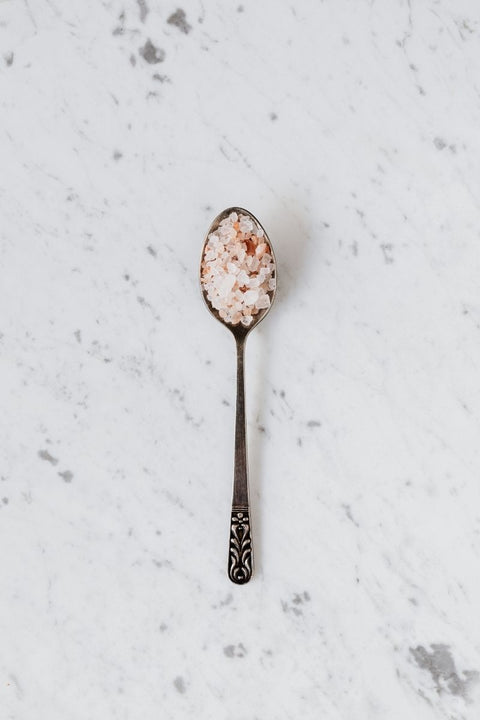
Let's get one thing straight: taking a timid little pinch of table salt and dropping it into a rolling 6-quart stockpot is pure kitchen theater. It looks nice, but it accomplishes virtually nothing.
Dry pasta doesn't just sit in water—it rehydrates by drinking that water deep into its starch matrix. If that water has no flavor, your noodles will taste flat, bland, and cardboard-like from the inside out. And no, dumping extra salt on top of your sauce later will not fix an unseasoned pasta core.
Stop guessing. Memorize the ratio.
The Universal Formula: 1-10-100
In Italian culinary academies, nobody eyeball-salts pasta water. They teach a strict metric formula:
1 Liter Water : 10 g Salt : 100 g Pasta
For those of us working in standard kitchen measurements:
-
1 pound of pasta
-
4 to 5 quarts of water
-
1.5 to 2 tablespoons coarse kosher salt (or 1 to 1.5 tablespoons fine sea salt)
The water should taste pleasantly seasoned—like a clean, refreshing sip of the Mediterranean Sea, not a spoonful of dead brine.
3 Rules to Save You From Kitchen Malpractice
1. Salt Only When It Boils
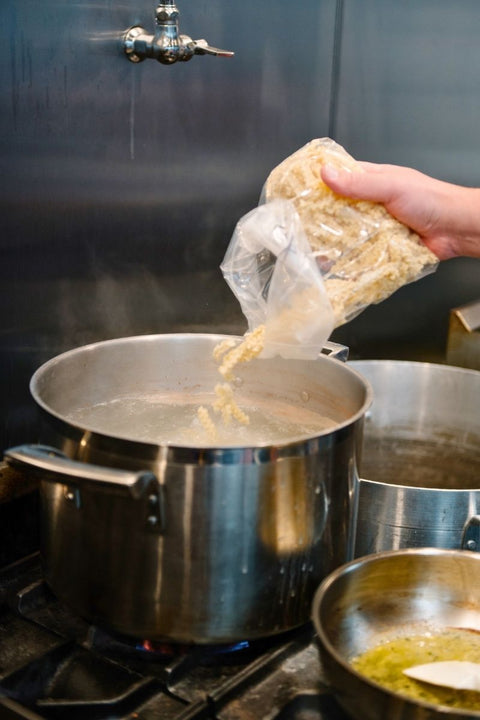
Never drop salt into cold tap water. Salt crystals sink straight to the floor of your pot, and when cold, they sit there causing unsightly pitting corrosion on stainless steel cookware. Bring the pot to a roaring boil first, dump in the salt, give it a quick stir to dissolve, and then drop the pasta.
2. Keep the Olive Oil in the Pantry
Pouring olive oil into your pasta pot is an expensive crime. Oil does not mix with boiling water—it simply floats on the surface. When you dump the pot into a colander, that floating oil slicks over the cooked pasta, putting a waterproof raincoat on your noodles that guarantees sauce will slide right off.
Want your pasta not to stick? Use plenty of water, keep the heat high, and stir vigorously during the first 60 seconds.
3. Hoard the "Liquid Gold"
Before dumping your cooking water down the drain, grab a coffee mug and scoop out at least a cup of that cloudy, salty, starchy water. Adding a couple of splashes into your sauce pan creates an emulsion that binds sauce fats and pasta starches into pure silk.
Kitchen Pro-Tip & Gear Pick
The Tool: Compact Digital Kitchen Scale & Diamond Crystal Kosher Salt
Why We Use It: Different salts have wildly different crystal densities—one tablespoon of fine table salt is nearly double the sodium of flaky kosher salt. A quick digital scale removes the guesswork so you can nail the exact 10 grams of salt per liter every single time.
(Shop our favorite: Escali Primo Digital Scale / Diamond Crystal Pure Kosher Salt])
Disclosure: Some of the links above are affiliate links. If you purchase through them, we may earn a small commission at no additional cost to you. We only recommend kitchen gear we genuinely use, beat up, and trust in our own kitchen.
Comments (0)
There are no comments for this article. Be the first one to leave a message!